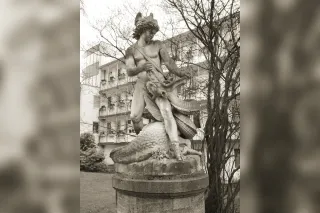
Baldr, Norse god of light and beauty
Baldr, son of Odin and Frigg, Norse god of light and beauty: his invulnerability, death by mistletoe orchestrated by Loki, and the promised resurrection after Ragnarök.
Scandinavia, Iceland, Germanic Northern Europe
A complete guide to Norse mythology: the Asgardian pantheon, Odin, Thor, Loki, the Nine Worlds of Yggdrasil, Ragnarök, and the key sources of the Eddas.
Baldr, son of Odin and Frigg, Norse god of light and beauty: his invulnerability, death by mistletoe orchestrated by Loki, and the promised resurrection after Ragnarök.
Freya in Norse mythology: goddess of love, fertility, and seiðr magic, commander of the Valkyries, and ruler of Fólkvangr where she receives half of all warriors slain in battle.
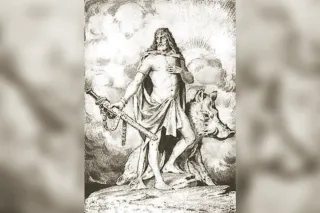
Freyr in Norse mythology: the Vanir god of fertility, sunshine and kingship who gives up his magic sword for love and falls to the giant Surtr at Ragnarök.
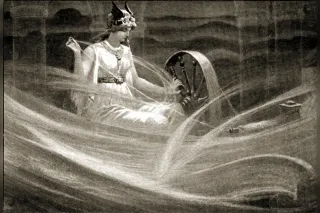
Frigg, queen of the Aesir and Odin's wife: her silent gift of foresight, the oath to protect Baldr, her grief after his death, and her legacy in the name Friday.
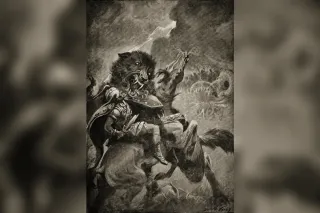
Fenrir, son of Loki and Angrboða: the monstrous wolf bound by the magic chain Gleipnir, prophesied to devour Odin at Ragnarök, as told in the Norse Eddas.

Jörmungandr, the World Serpent of Norse myth: Loki's son encircling Midgard, his three confrontations with Thor, and their mutual death at Ragnarök.
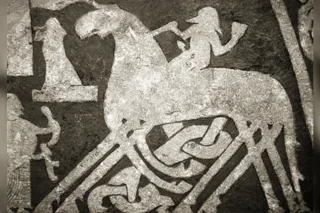
Sleipnir, Odin's eight-legged horse in Norse mythology: born from Loki shapeshifted as a mare, he crosses all nine worlds and carries his master between the living and the dead.
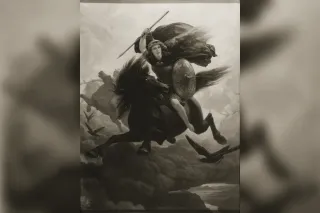
The Valkyries in Norse mythology: Odin's servants who mark the fallen warriors, lead them to Valhalla, and weave the fate of battles according to the Eddas.
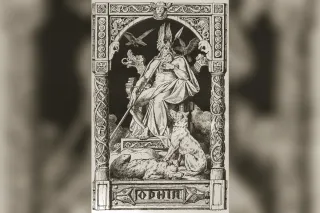
Asgard in Norse mythology: the fortress of the Aesir linked to Midgard by the Bifröst bridge, its great halls, its walls, and its fall at Ragnarök according to the Eddas.
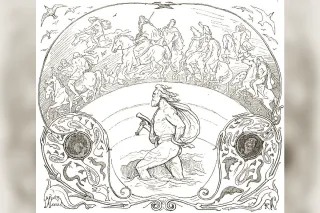
Bifröst in Norse mythology: the burning rainbow bridge linking Asgard to Midgard, guarded by Heimdall, that shatters beneath the fire-giants riding to Ragnarök.
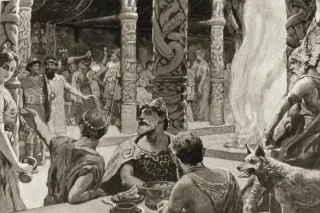
Valhalla in Norse mythology: Odin's great hall for the battle-slain, the Einherjar who train daily for war, Valkyries as choosers of the slain, and their purpose at Ragnarök.
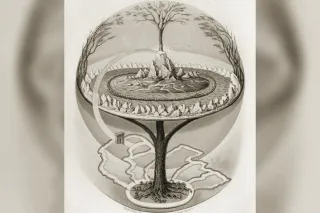
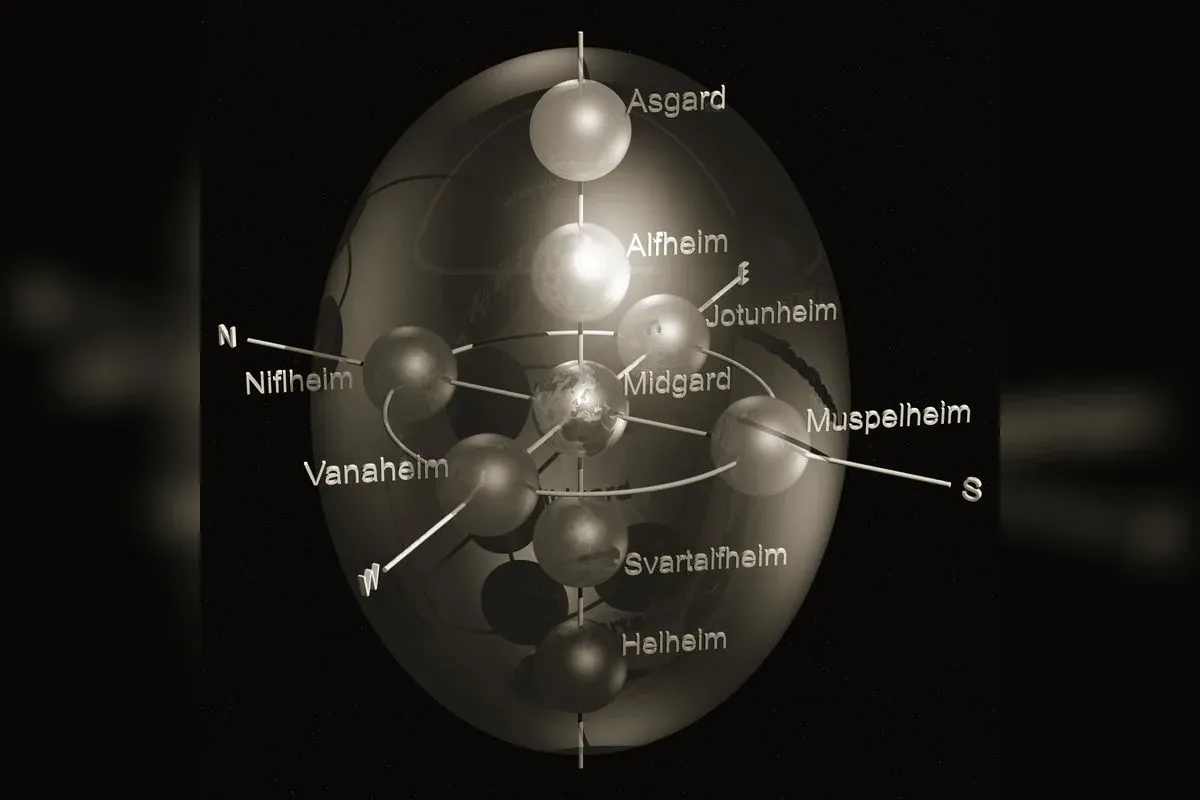
Yggdrasil, the cosmic world tree in Norse mythology: the nine realms it connects, its guardian creatures, Odin's sacrifice for the runes, and its role at Ragnarök in the Eddas.
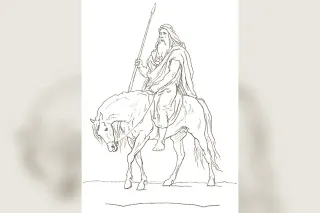
Gungnir in Norse mythology: Odin's unerring spear, forged by the dwarf Sons of Ivaldi, inscribed with runes and cast over armies to dedicate them to the god of the slain.
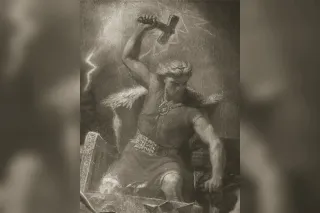
Mjolnir, Thor's hammer in Norse mythology: forged by the dwarves Brokkr and Sindri, its handle shortened by Loki's sabotage, and its central role at Ragnarök.
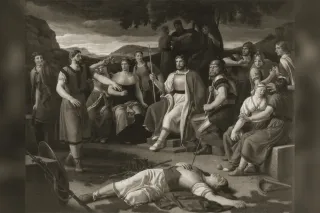
Death and afterlife
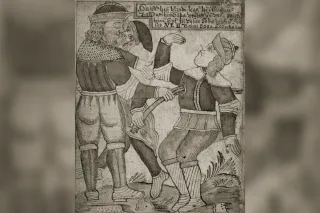
The death of Baldr: Frigg's oath, the fatal mistletoe guided by Loki, Hel's refusal to release him, and Loki's punishment — the inevitable herald of Ragnarök.
Mythical wars
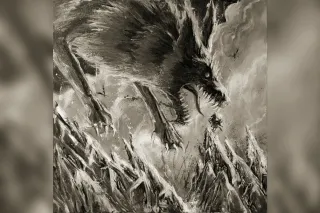
Ragnarök, the Norse end of the world: the Fimbulwinter, the breaking of chains, the gods' final duels, the collapse of the cosmos, and the world's rebirth.
Metamorphoses
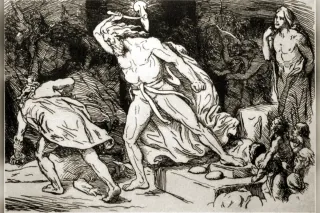
The theft of Mjolnir by the giant Thrym: Thor's disguise as a bride, Loki's scheme, and the bloody vengeance that closes the most comic story in the Eddas.
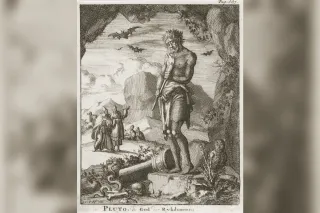
A comparison of death deities and underworld rulers in Greek, Egyptian, Norse, Roman, Japanese, Hindu, Aztec, and Celtic mythologies.
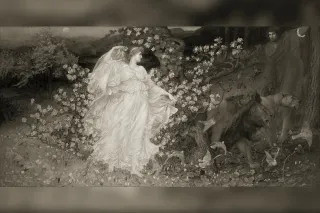
A comparison of love deities in Greek, Roman, Norse and Egyptian mythology: Aphrodite, Venus, Freya, Hathor, Eros and Cupid compared across traditions.
A comparison of war deities in Greek, Roman, Norse, Egyptian, Japanese, Hindu, Aztec, and Celtic mythologies.