Greek mythology · Heroes & mortals
Danae, mother of Perseus and prisoner of the bronze chamber
Danae, princess of Argos: Acrisius's oracle, Zeus's shower of gold, the chest cast into the sea, and the survival of Perseus.
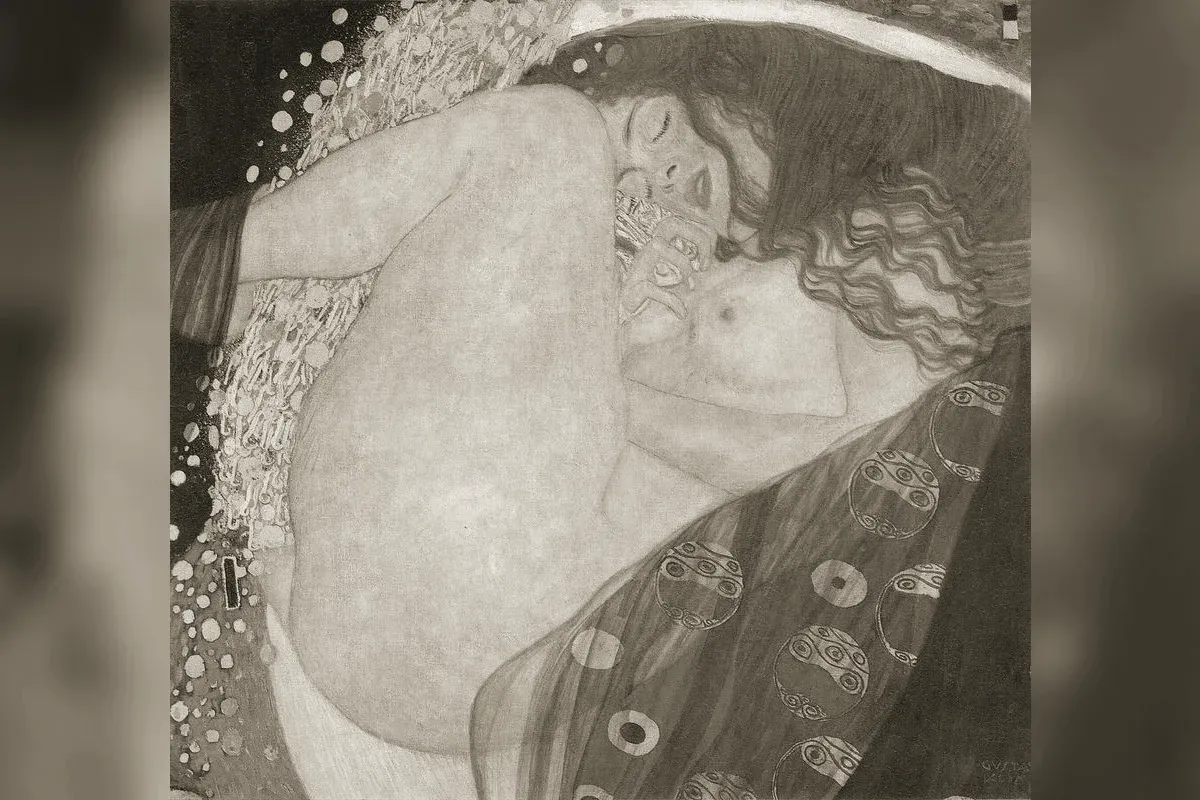
Danae is the mother of Perseus and Greek mythology’s most famous prisoner. Her father Acrisius, king of Argos, learns from an oracle that his daughter’s son will kill him. He responds by placing Danae in an underground bronze chamber, cutting her off from any possible father. The prison instead becomes the place where the prediction begins to come true.
Sealing away the future
Acrisius does not kill Danae. He tries to halt the royal line while keeping his own hands formally clean, a pattern he will repeat. The decision also follows the logic of Greek oracle stories: a ruler knows an outcome but not the sequence by which his precautions will help produce it.
Zeus enters the chamber as a shower of gold, and Danae conceives Perseus. Later art made the image one of the most recognizable scenes in classical mythology. Apollodorus gives it with little explanation: a room designed to exclude mortal visitors cannot exclude the sky god.
When Acrisius discovers the baby, he refuses to accept the claim of divine paternity. He seals mother and child inside a chest and casts it into the sea. Once again, he arranges a likely death without striking the blow himself.
The island of Seriphos
The chest reaches Seriphos, where the fisherman Dictys rescues its occupants and helps raise Perseus. Danae has moved from royal daughter to vulnerable foreigner, dependent on someone outside the island’s ruling power.
Dictys’s brother Polydectes is king and desires her. The adult Perseus stands in his way, so Polydectes engineers the expedition against Medusa under the cover of collecting wedding gifts. A promise to bring back the Gorgon’s head should remove Danae’s protector permanently.
During Perseus’s absence, some versions place Danae and Dictys at an altar seeking protection from the king. Perseus returns alive, displays Medusa’s head, and turns Polydectes and his supporters to stone. Dictys receives the throne.
The oracle travels farther than the prison
Danae eventually sets out for Argos with her son. Acrisius flees, but distance is no more effective than bronze. At funeral games in Larissa, a discus thrown by Perseus swerves and kills his grandfather by accident.
Danae neither performs nor suffers the oracle’s final act. She is the person Acrisius tried to remove from the chain of inheritance. Her myth moves her through three enclosures — chamber, chest, and sacred refuge — and each fails to end her story. Her survival, rather than a martial deed, is what allows the heroic dynasty to continue.
Ancient sources
- Apollodorus, Library, 2.4.1-4
- Sophocles, Antigone, 944-987
- Pindar, Pythian 12
- Hyginus, Fabulae, 63
- Pausanias, Description of Greece, 2.23.7
See also
Frequently asked questions
What is the shower of gold?
The form Zeus takes to reach Danae in her sealed bronze chamber: he pours through the roof as a rain of gold. The image was irresistible to painters — Titian returned to it repeatedly, and Klimt made it one of his most famous canvases — and it has always carried a second reading, since gold entering a locked room is also the plainest possible metaphor for what money buys.
How do Danae and Perseus survive the sea?
Acrisius shuts mother and infant in a wooden chest and casts it into the sea rather than kill them outright — killing kin directly would incur pollution. The chest drifts to Seriphos, where the fisherman Dictys hauls it ashore and takes them in. His brother Polydectes, king of the island, later wants Danae, and invents the quest for Medusa's head to get her son out of the way.